Blog
- Home
- Blog
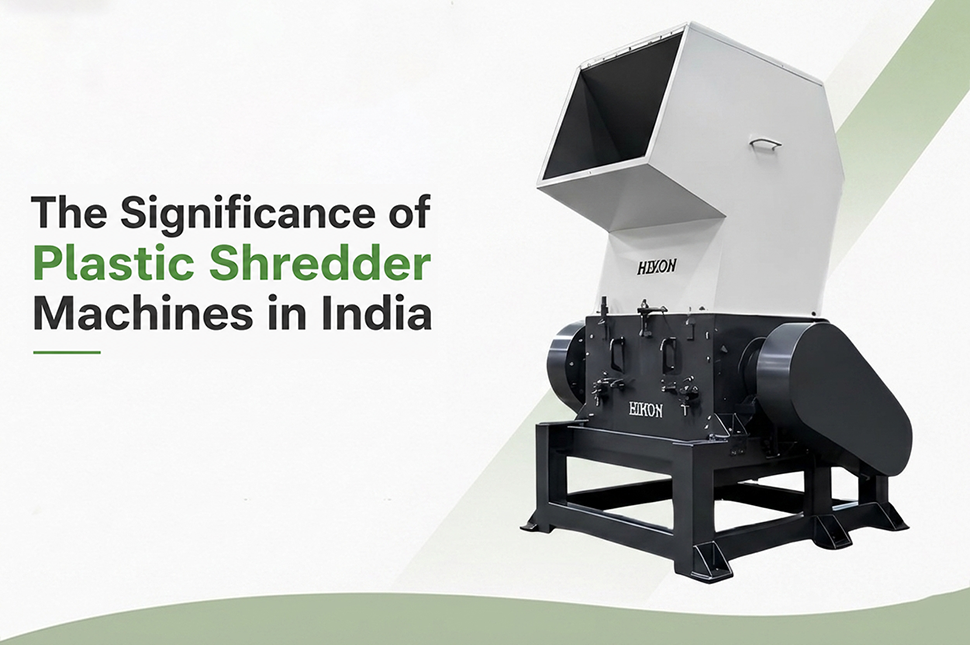
The Significance of Plastic Shredder Machines in India
Plastic pollution has grown to be one of the most urgent environmental challenges faced by countries across the globe, including India. The rapid rise in plastic consumption and improper waste management practices have led to severe consequences for the environment, wildlife, and human health.
In this context, the need for plastic shredder machines in India has emerged as a crucial solution to tackle the escalating problem of plastic waste. These machines play a vital role in recycling and managing plastic waste efficiently, thereby promoting sustainable and responsible waste management practices.
1. Alarming Plastic Pollution in India
India is home to a large population and is a significant consumer of plastic products. Unfortunately, the country also struggles with inadequate waste management infrastructure, leading to improper disposal of plastic waste.
It is estimated that India generates around 26,000 tons of plastic waste every day, and a substantial portion of this waste ends up in landfills, rivers, and oceans. This uncontrolled plastic pollution has become a serious environmental concern and demands immediate attention.
2. The Role of Plastic Shredder Machines
Plastic shredder machines have emerged as an essential technology to combat the plastic pollution crisis in India. These machines are designed to break down plastic waste into smaller pieces, making it easier for recycling facilities to process and reuse the material.
The shredding process helps reduce the volume of plastic waste, optimizes transportation and storage, and minimizes the burden on landfills and waste disposal sites.
By adopting plastic shredder machines, India can move towards establishing a circular economy, where plastic waste is collected, recycled, and reused efficiently.
3. Advantages of Plastic Shredder Machines
The implementation of plastic shredder machines in India offers several advantages. Firstly, it helps reduce plastic waste volume, enabling better waste management in both urban and rural areas.
Secondly, these machines promote a cleaner environment by minimizing littering and preventing plastic waste from reaching water bodies and natural habitats.
Additionally, recycled plastic produced through shredding serves as a cost-effective alternative to virgin plastic, encouraging industries to adopt more sustainable practices.
Conclusion
The plastic pollution crisis in India requires urgent and effective solutions. Plastic shredder machines provide a practical approach to managing plastic waste efficiently and responsibly.
Widespread adoption of plastic shredder machines will not only help control plastic waste but also raise awareness about recycling and sustainable waste disposal. Through collective efforts from the government, industries, and individuals, India can move towards a cleaner and more sustainable future.